Why Commercial Roof Restoration?
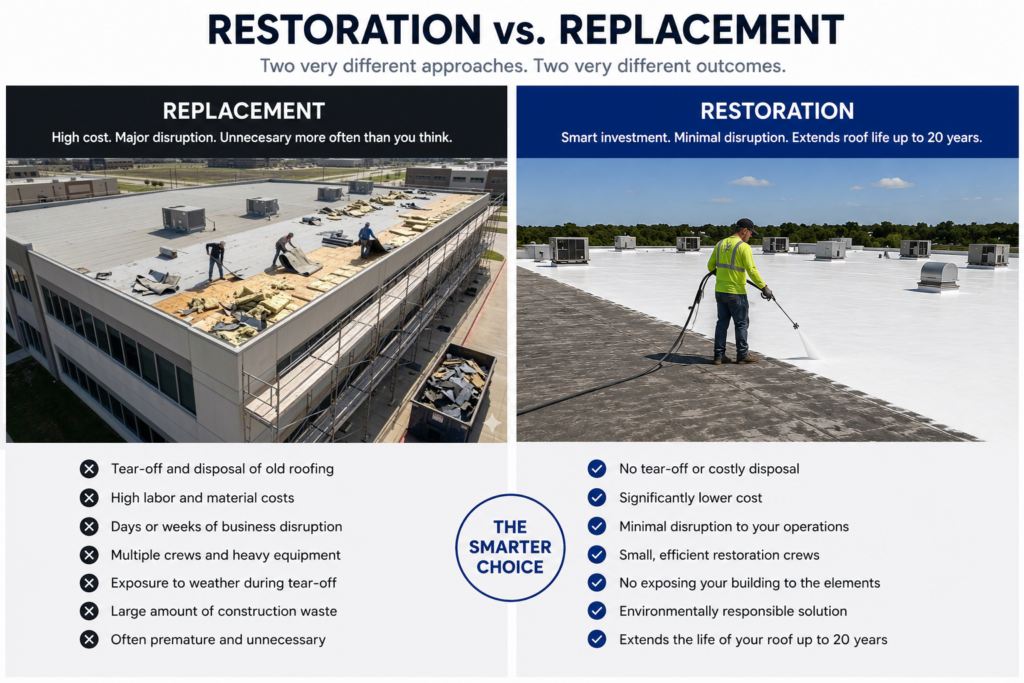
Don’t Replace a Commercial Roof That Can Still Perform.
Many commercial roofs are replaced years before it’s actually necessary. When the roof system remains structurally sound, restoration can extend its service life by up to 20 years while costing significantly less than a full replacement.
Restoration saves more than money.
Roof restoration offers significant advantages for commercial property owners. By restoring an existing roof instead of replacing it, businesses can reduce capital expenditures, minimize operational disruptions, improve energy efficiency, and extend the life of their roofing system. Commercial roof restoration also reduces construction waste, making it an environmentally responsible solution for many commercial facilities.
- Extends roof life by 10–20 years (when appropriate)
- Costs significantly less than roof replacement
- Minimizes business disruption
- Improves energy efficiency with reflective coating systems
- Reduces landfill waste and environmental impact
- Helps defer major capital expenditures
Is Your Commercial Roof a Candidate for Restoration?
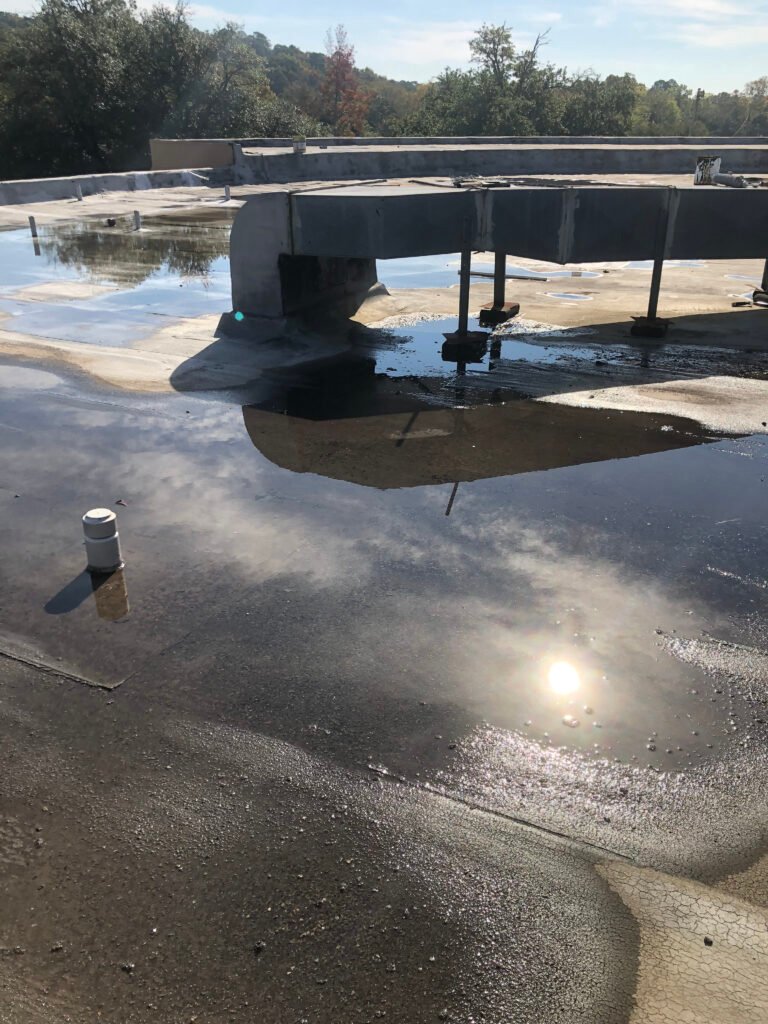
Roof restoration is often the ideal solution when a commercial roof is structurally sound but showing signs of age, weathering, or minor deterioration. Issues such as small leaks, worn coatings, surface oxidation, and normal aging can frequently be addressed through restoration rather than complete replacement. A professional commercial roof inspection and evaluation helps determine whether restoration is the most cost-effective option.
Our Evaluation Process
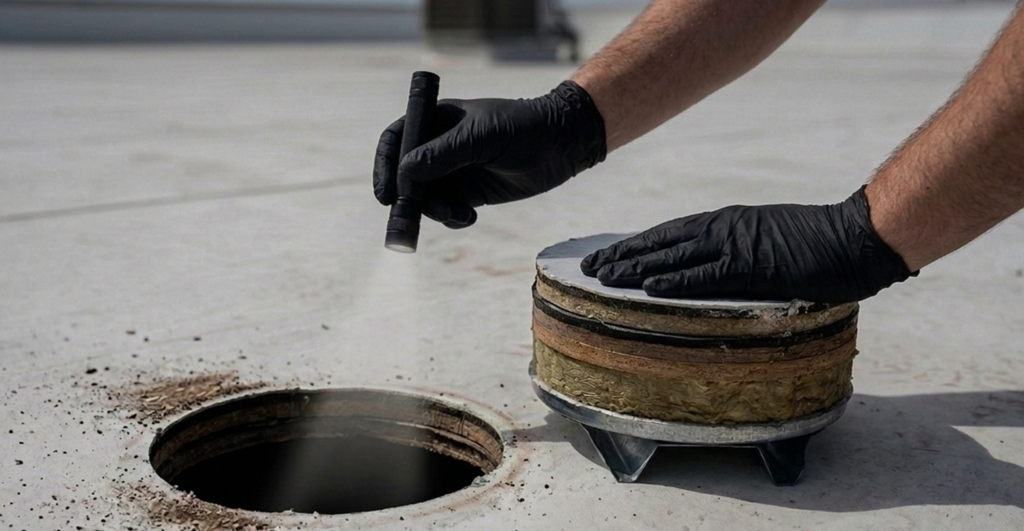
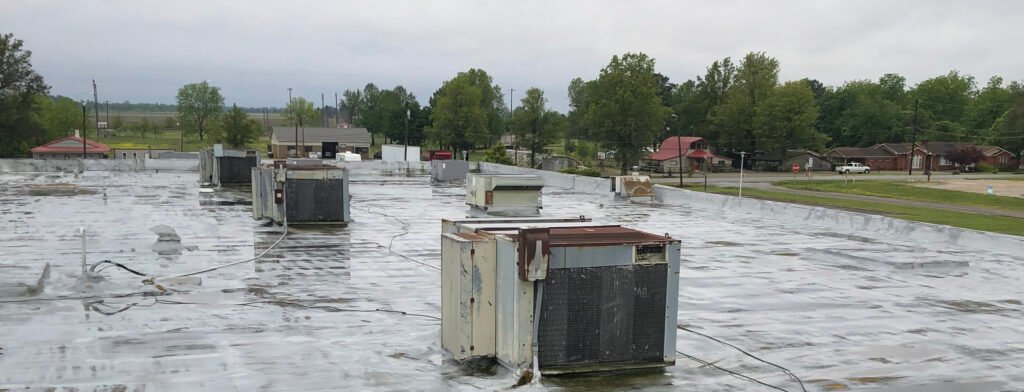
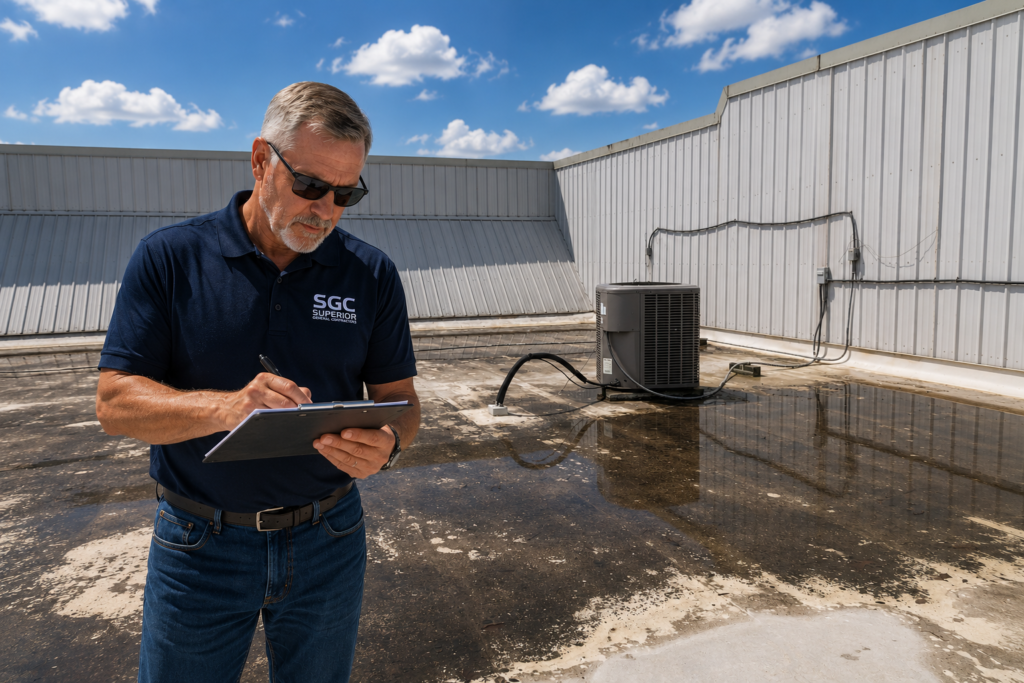
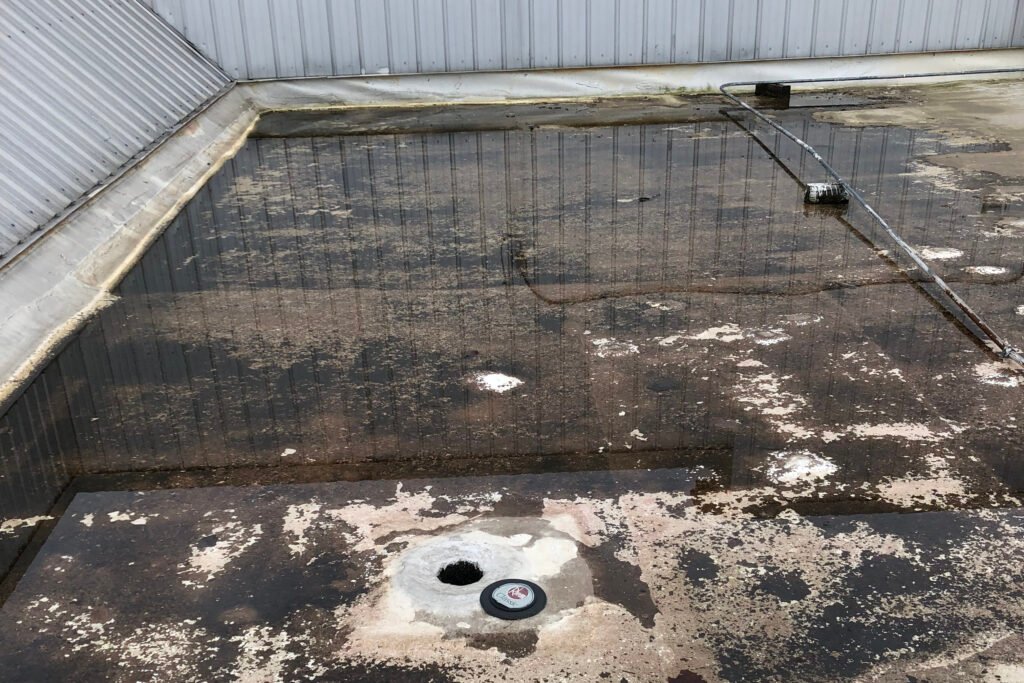
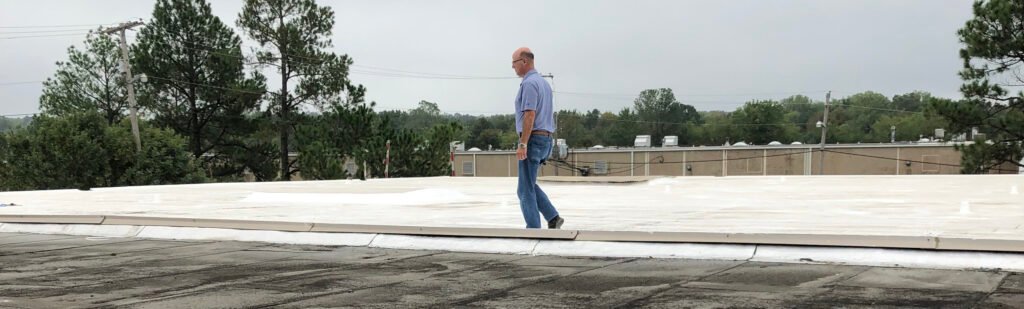
Every commercial roof is different. Our evaluation process begins with a comprehensive commercial roof inspection to assess the roof’s condition, identify existing issues, and determine its remaining service life. We document our findings with photographs and provide practical recommendations based on what is best for the building—not what generates the largest project. If restoration is a viable option, we’ll explain why. If replacement is the better long-term investment, we’ll tell you that too.
Why Commercial Roof Restoration Makes Sense
Choosing restoration first gives property owners the opportunity to maximize the value of an existing roofing system before committing to the significant expense of replacement. By extending roof life, reducing maintenance costs, and improving long-term performance, restoration helps organizations make smarter capital planning decisions while protecting their facilities and budgets.
Roof Systems That Can Be Restored
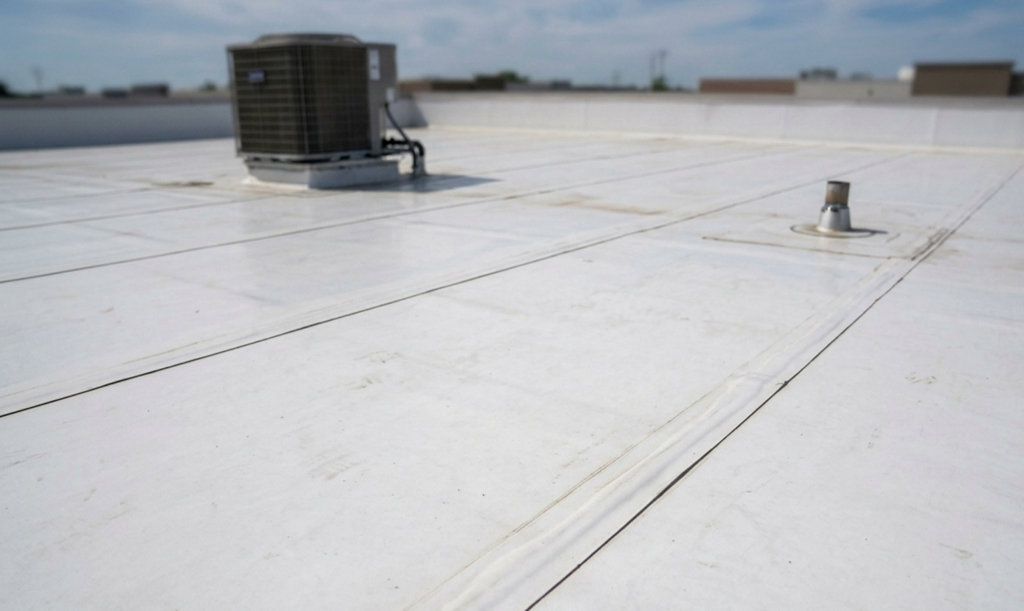
Many commercial roofing systems can be successfully restored when they remain structurally sound. The appropriate commercial roof restoration method depends on the roof type, its current condition, and the building’s performance requirements. Our team evaluates each roofing system individually to determine whether restoration is the most practical long-term solution.
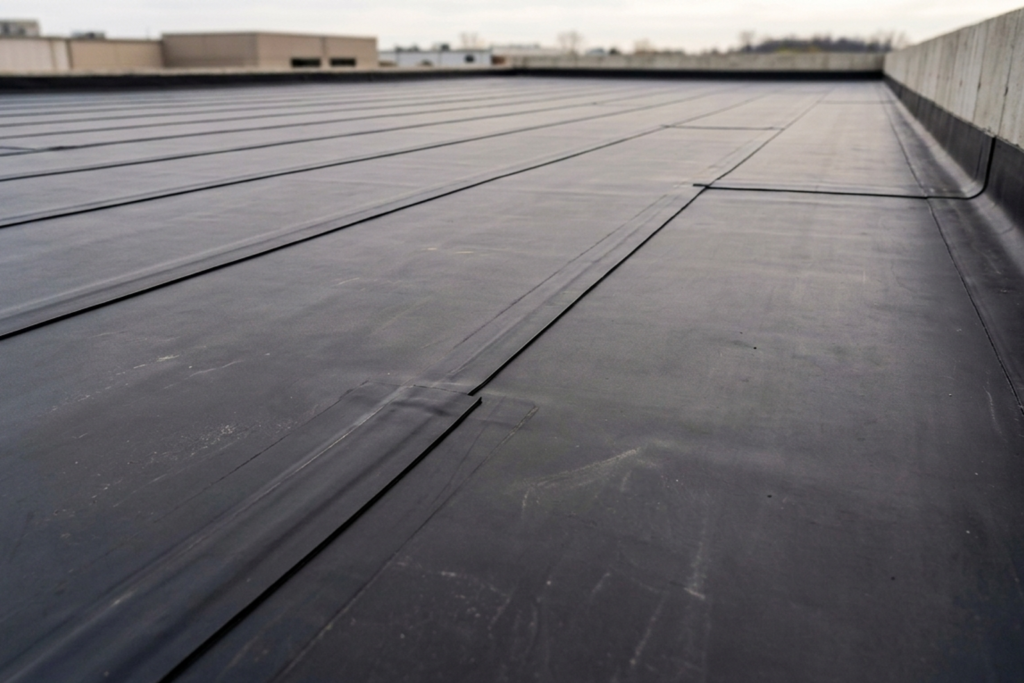
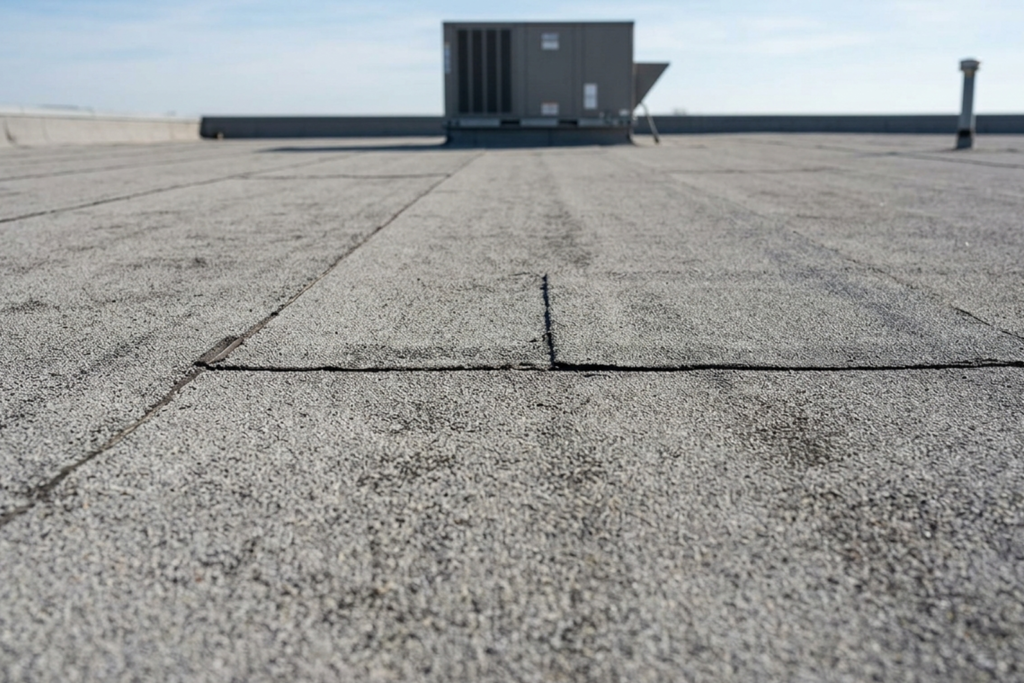
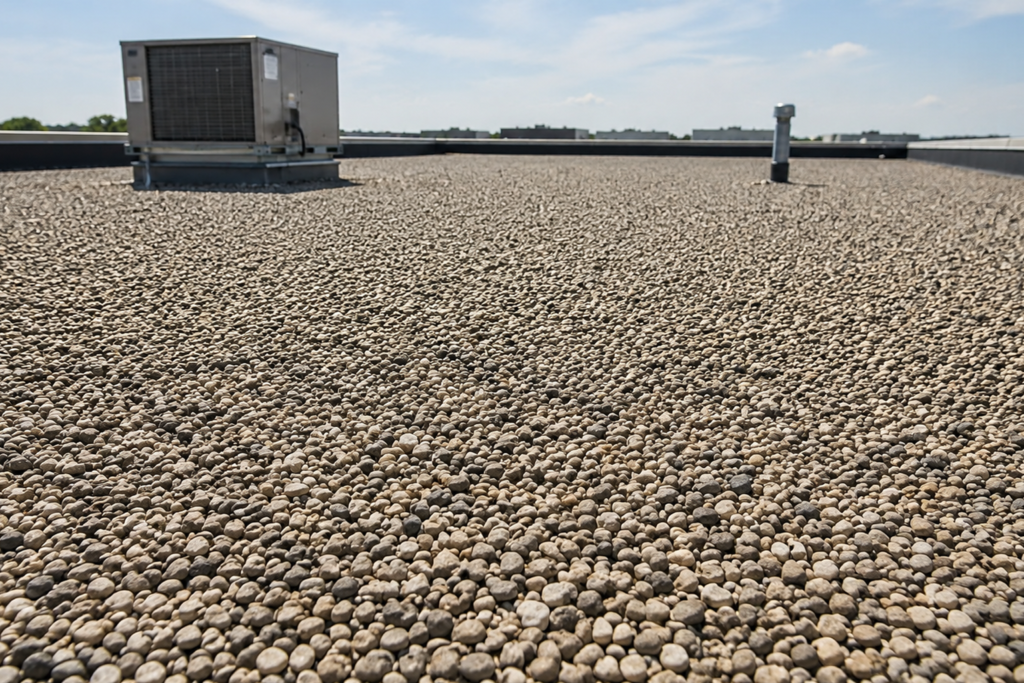
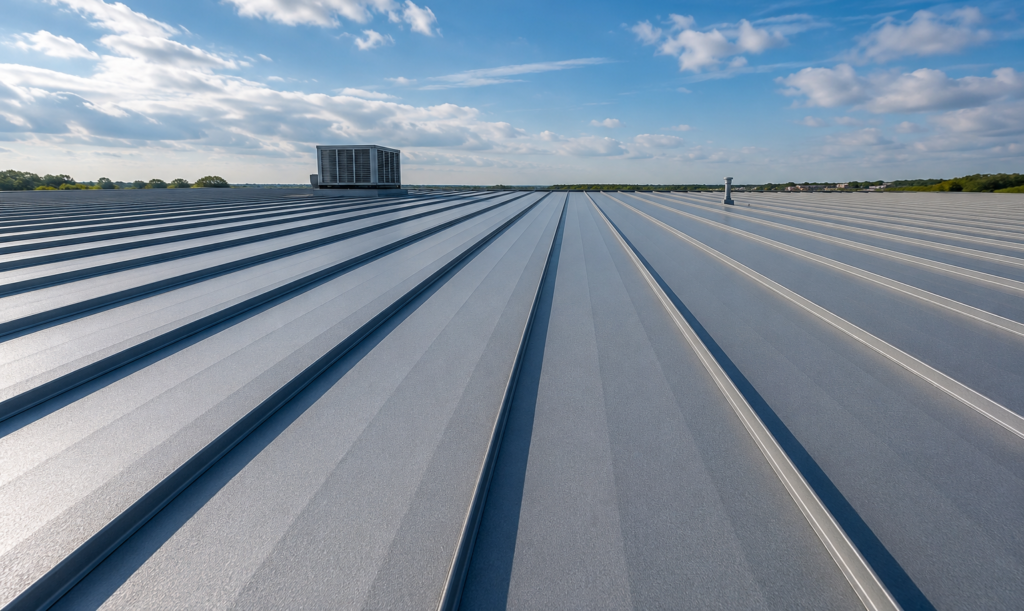
TPO
EPDM
MOD BIT
BUILT UP
METAL
Signs Your Roof May Need Attention
Commercial roofs rarely fail without warning. Recognizing the early signs of deterioration can help property owners address minor issues before they become costly repairs or require premature replacement. Regular commercial roof inspections and preventive maintenance are the best ways to identify problems early and maximize the life of your roofing system.
- Persistent roof leaks or water intrusion
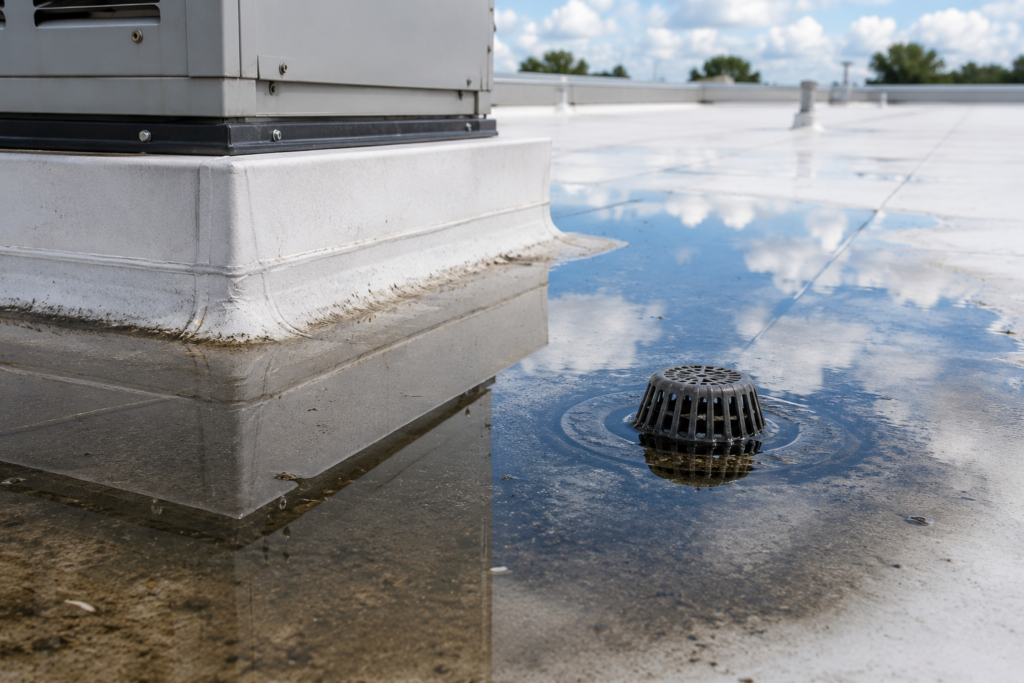
- Ponding water after rainfall
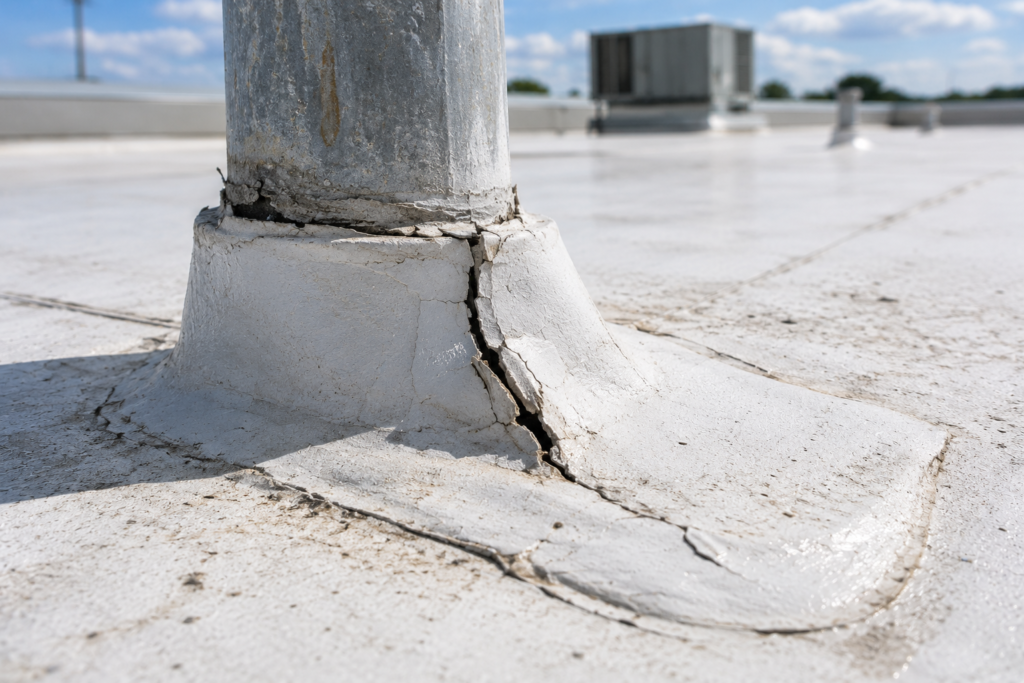
- Cracked, split, or deteriorated roofing materials
- Loose or damaged flashing
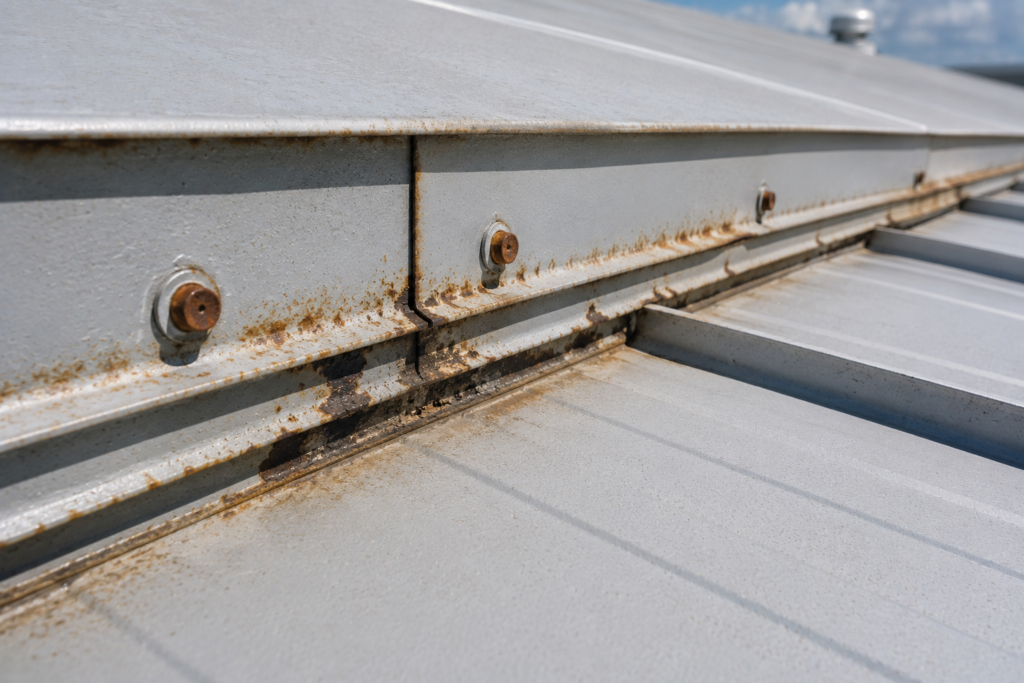
- Rust or corrosion on metal roofing systems
- Blistering, bubbling, or failing roof coatings
- Increased energy costs due to reduced roof performance
Frequently Asked Questions
Can every commercial roof be restored?
Not always. Restoration is most effective when the roof remains structurally sound. A professional evaluation determines whether restoration or replacement is the better long-term solution.
How long can a restored commercial roof last?
Depending on the roofing system and restoration method, a properly restored roof can often provide an additional 10 to 20 years of service life with routine maintenance.
Will commercial roof restoration disrupt my business?
For qualifying roofs, restoration typically costs significantly less than a full replacement while extending the roof’s service life and improving performance.
Is restoration more affordable than roof replacement?
How do I know if my commercial roof qualifies for restoration?
The best way to know is through a professional roof evaluation. We’ll inspect your roof, document its condition, and provide straightforward recommendations based on its actual performance.
Ready to Find Out if Your Commercial Roof Can Be Restored?
Every commercial roof has a story, and no two buildings are exactly alike. Before investing in a costly replacement, let Superior General Contractors perform a professional commercial roof inspection and evaluation to determine whether restoration is a practical, cost-effective solution. We’ll provide honest recommendations, detailed findings, and a long-term strategy to help you protect your investment.